

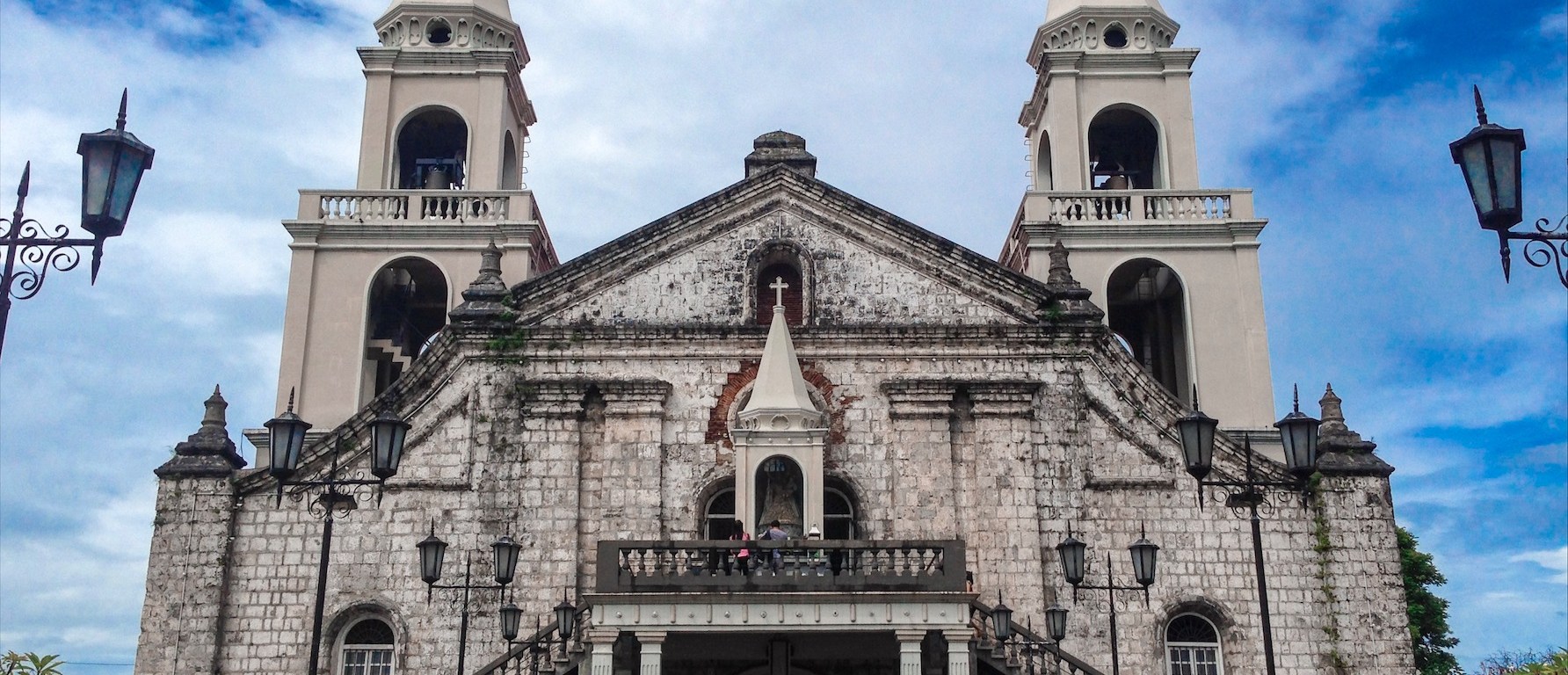
Iloilo is one of the cities in the Philippines that provides people a glimpse of the rich culture, history, art and architecture of the country. The city is a walk through between the preserved historical and architectural influences of the Spanish era and the robust modernized art and urban culture of the Filipinos.
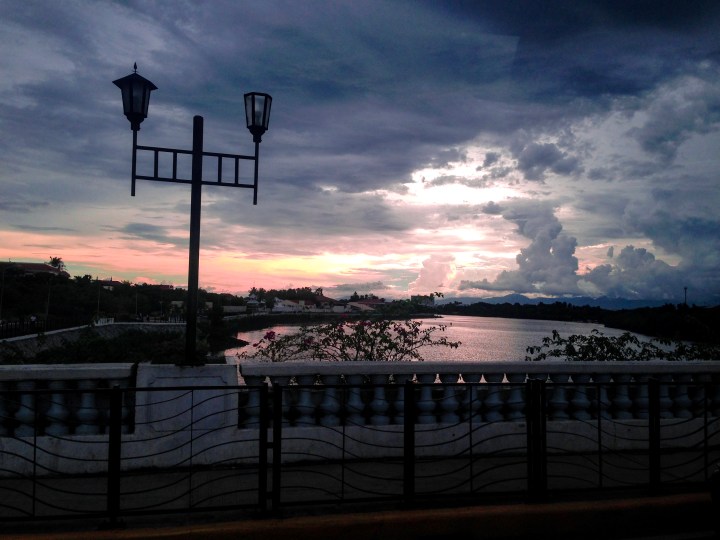
Not only does the city contribute their famed Filipino delicacies and treats in the culinary scene of the Philippines but the city also has a huge influence in the religious aspect of the country especially to the Catholic institution.
Although Catholic faith started in the Cebu region when Ferdinand Magellan erected his cross on the land, Iloilo City has its fair share with its rich religious influences in the Catholic community with its grandiose churches.
For some, Iloilo city is the place to keep in touch with history and learn more about Filipino architecture and their Spanish descent.
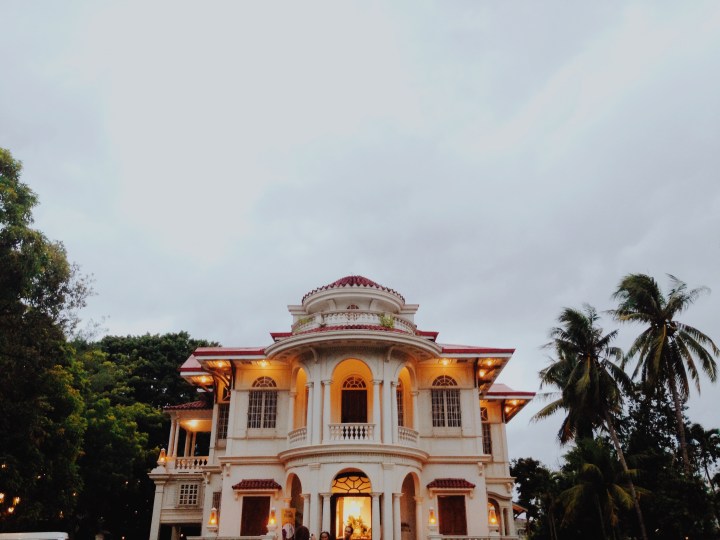
But for others, the city is a pilgrimage. Filled with different beautiful churches all around the city, the place is great for what Filipinos call ‘Visita Iglesia’.
Visita Iglesia is a religious tradition practiced by many Filipinos that dates back to 1553. It is a practice to visit at least seven churches during Maundy Thursday or Good Friday and recite the Stations of the Cross.
If you’re planning a Visita Iglesia then be amazed by the five churches you need to visit when in Iloilo City.
St Anne Parish Church
St. Anne Parish or famously known as the Molo Church is one of the famous churches you’ll see in Iloilo City. It is known to many as a feminist church in the Philippines. Why?
St. Anne Parish’s sixteen aisle pillars are embellished by sixteen statues of female saints. Their main patron is St. Anne who holds the centerpiece of the church. The church with its beautiful crimson red pyramidic spires shows its magnificence under the sunset colored sky.
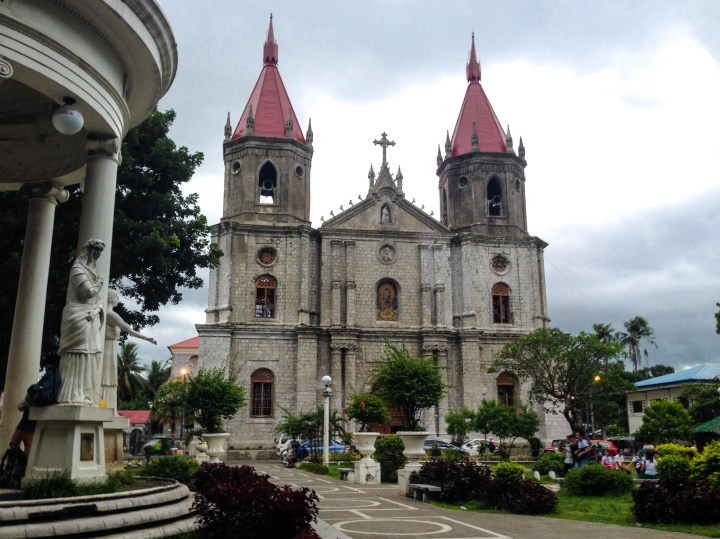
An architectural gem, St. Anne Parish Church was built in 1831 and is inspired by European Gothic designs. It is the only gothic church in the entire Philippines outside Metro Manila.
It is made from coral rocks and limestone and cemented using egg whites mixed with sand. This is why Iloilo city is known for amazing delicacies because it was said that the yolk from the eggs used for the construction of the buildings was used to make pastries.
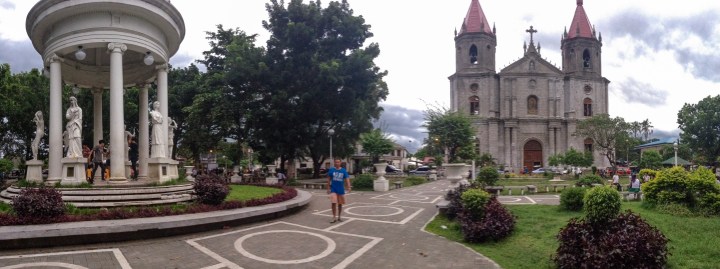
The two belfries of the church are surrounded by 30 different bells of all sizes that provide such wonderful music especially whilst strolling at Molo Plaza.
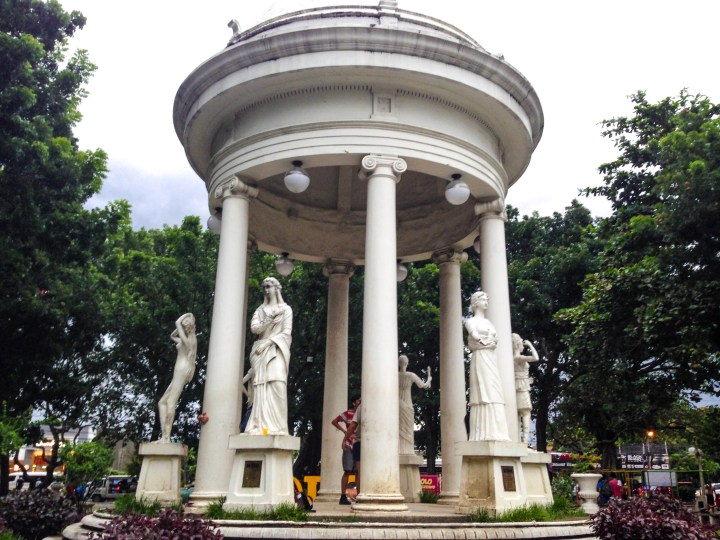
Molo Plaza is also a gem that was renovated to give life to Molo district. Stand in awe at their renowned gazebo designed with six Greek goddesses. Perfectly in tune with St.Anne Parish’s feministic theme.
Our Lady of Candles National Shrine
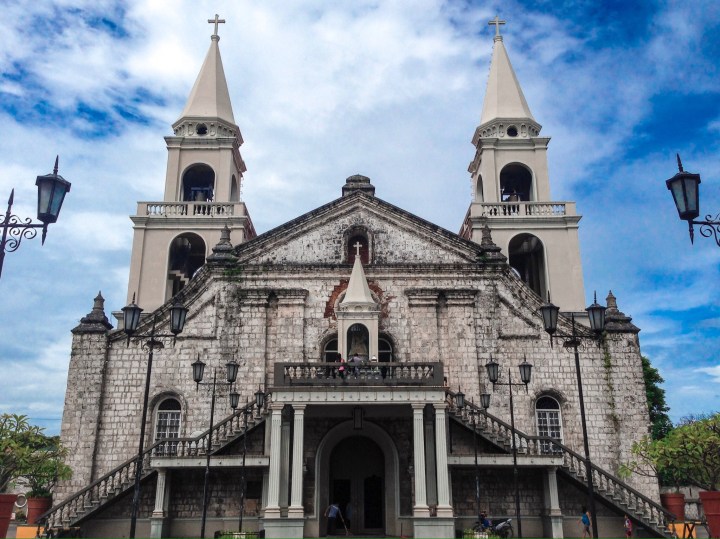
Opposite of the St.Anne Parish, Our Lady of Candles National Shrine or famously known as the Jaro Metropolitan Cathedral, is embellished by all-male saints on its columns. But, what attracts pilgrims and tourists is the huge shrine of Senora in the facade of the church.
Jaro Metropolitan Cathedral, the name it is commonly referred to, is one of the most significant churches in the heart of Iloilo City. Not only is it architecturally magnificent but is also hailed as one of the religious epitomes in the Visayan Catholic faith.
Blessed Pope John Paul II paid a visit to the cathedral and declared Candelaria, the five-foot-tall depiction of the Virgin Mary, as the Patroness of the Western Visayas by crowning it on February 21, 1981. The Nuestra Senora de la Candelaria is the only Our Lady of the Philippines that was canonized and coronated as an official Patroness in the whole western Visayas by the same Pope on April 21, 1982.
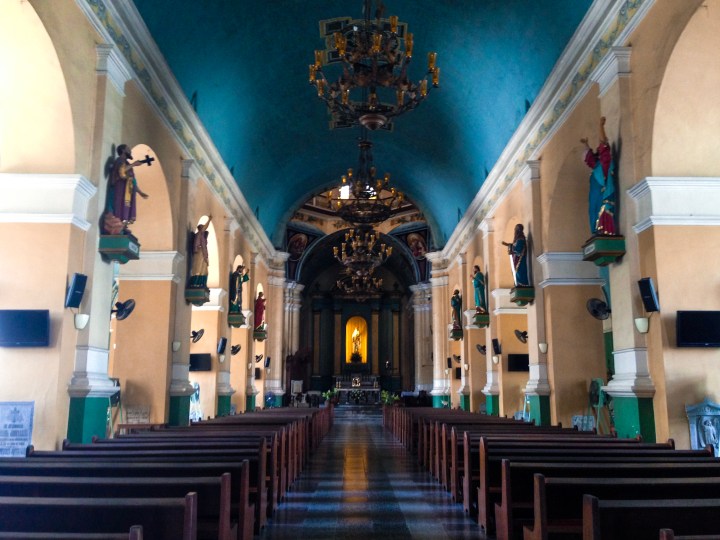
Architecturally speaking, the cathedral was built in 1864 with a Romanesque Revival style. Due to some renovations in the past from being hit by earthquakes and other calamities, the cathedral already has a mix of Gothic design and a touch of modernization. The cathedral is made out of bricks, fossil, and limestones.
The belfry is also an amazing sight when in Jaro. Across the Cathedral, you’ll see the crimson red belfry standing in all its grandeur in the middle of Jaro Park.
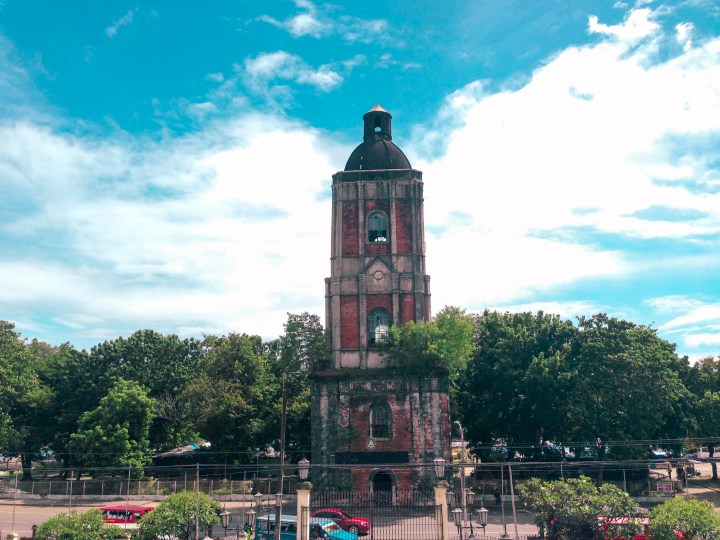
St. Nicolas of Tolentino Parish
St. Nicolas of Tolentino Parish, commonly known as Guimbal Church, was built almost three decades before completion and was finally erected between 1769 to 1774.
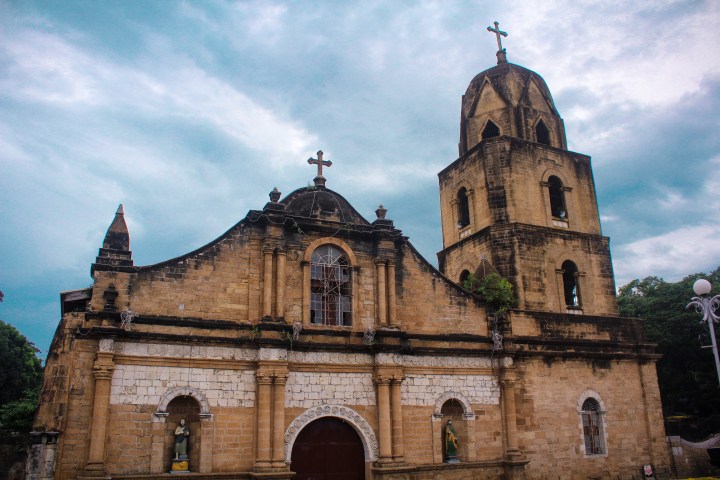
The church is known as the yellow sandstone landmark in Iloilo City because of its yellowish facade. The yellow color of the church is due to the materials used for building the place. The church is made out of adobe stones called igang and coral stones that are quarried from Guimaras. The architectural design is a mix between Baroque and Moorish features.
In the Spanish era, the church’s 4-story belfry also served as a watchtower against Moro pirates who pillaged the land.
The Guimbal Church underwent two different reconstructions in history; one during World War II and another during the 1948 earthquake.
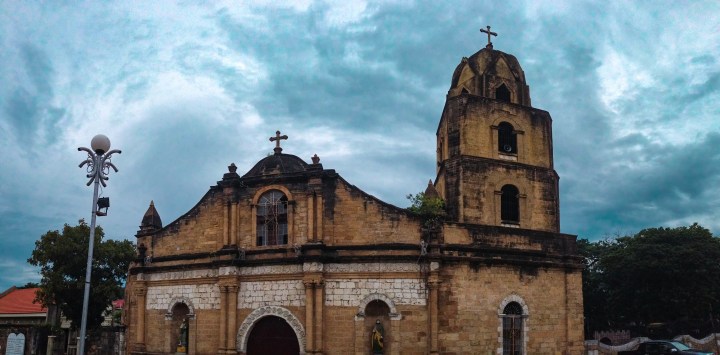
St. John of Sahagun Parish Church
St. John of Sahagun Parish or known as the Tigbauan Church, is a four-century-old church. It is one of the oldest churches in the entire Philippines. It is also one of the most unique churches in the country because of its Churrigueresque style.
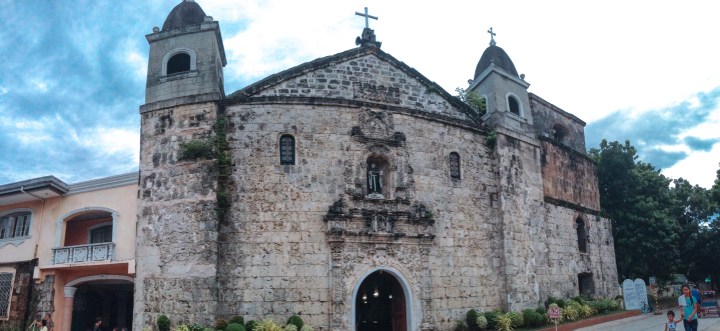
The other Churrigueresque-styled structure in the Philippines is San Juan de Dios Hospital in Intramuros and Daraga Church in Albay.
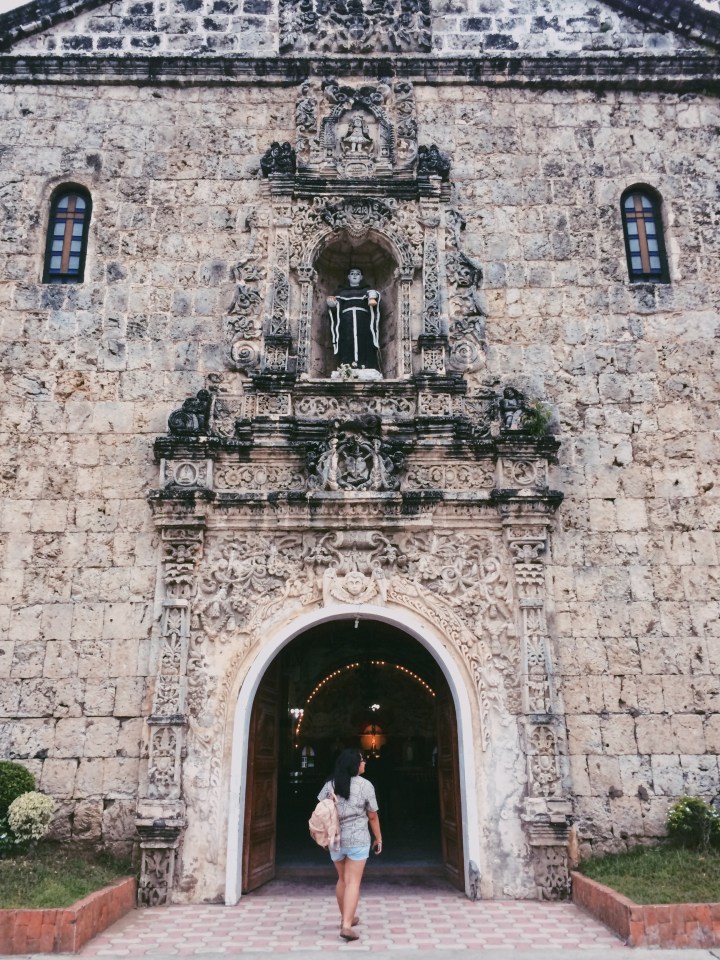
The exterior of the church is ornamented with intricate floral carvings and cherubs. Two bell towers stand side by side between the church. The interior is designed with dashing mosaic art depicting biblical events such as the crucifixion and resurrection of Christ, Jesus Christ and his disciples, and more.
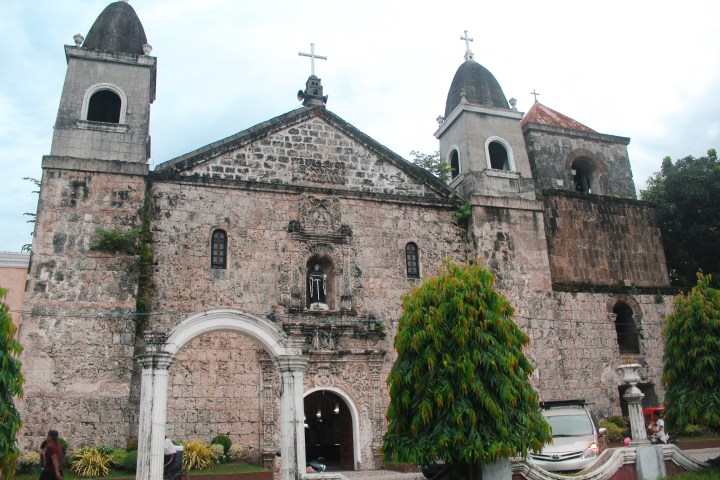 Due to its old state, the church was destroyed in the 1948 earthquake same as the Guimbal church. It was renovated, however, and is as magnificent as ever.
Santo Tomas de Villanueva Church
Santo Tomas de Villanueva Church or famously known as the Miag-ao Church is the creme de la creme of Iloilo City’s churches. It is one of the only churches in the Philippines that was declared as a UNESCO World Heritage Site. It was declared so on December 11, 1993.
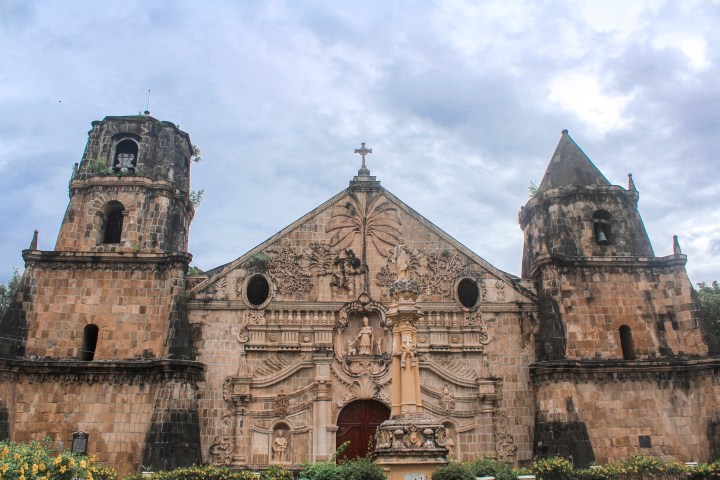
Along with San Agustin Church in Manila, Nuestra Senora de la Asuncion Church in Ilocos Sur, San Agustin Church in Paoay, Ilocos Norte, Miag-ao Church is part of the collective title for Baroque Churches of the Philippines.
Similar to Guimbal Church, Miag-ao Church is yellowish in color due to the construction materials used which are adobe, egg, coral, and limestone.
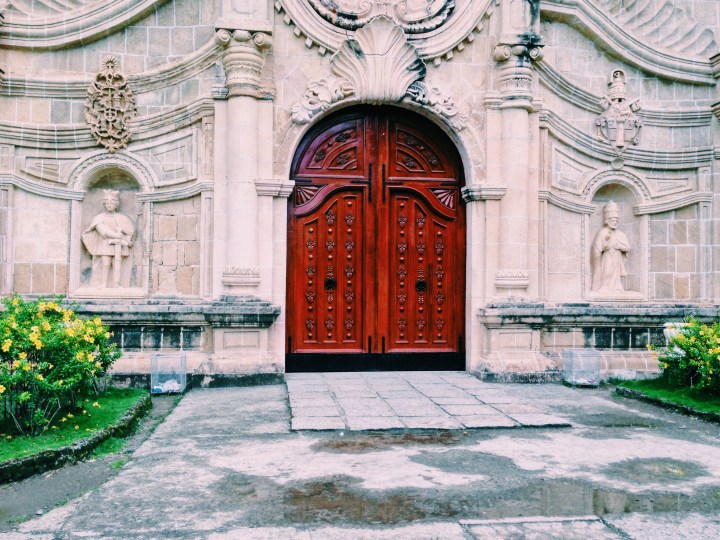
A prominent design that makes Miag-ao Church differ from the other churches is its intricate facade. A depiction of St. Christopher is seen on the facade along with the ‘tree of life’ which is the coconut. Amazing carvings are also shown on the facade of the church depicting trees such as papaya, palm trees, and fauna.
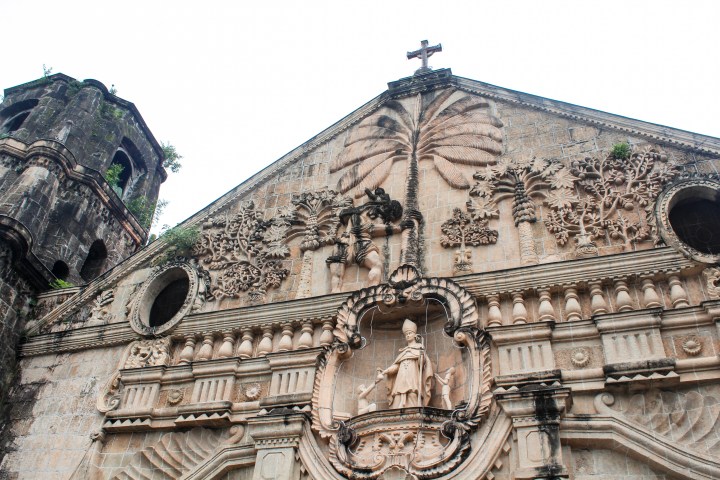
Construction of Miagao Church began in 1787 and was completed in 1797. In the late 17th Century, the church served as a fortress for people against Muslim raiders of the land. According to the UNESCO Convention, Miagao is the finest example of a fortress baroque church.
![IMG_6637[1]](https://eatsmejax.com/wp-content/uploads/2017/11/img_66371.jpg?w=720)
Visiting these churches will make you realize that Philippines is a country filled with rich and vibrant history, arts, and culture. Truly, the history of Filipino is not only rooted in its land but also to its rich devotion to religion.
 Eats Me, Jax!